July 7, 2026
Property owners must cultivate an awareness of their living environment, learning to interpret the subtle indicators of distress that buildings exhibit before major failures occur. Delaying necessary interventions not only increases eventual remediation costs but also endangers the safety and financial security of everyone residing within the property. According to Auto Desk, roughly 66% of industry professionals say they feel optimistic about the direction of the construction market, reflecting a strong industry-wide confidence that is driving advanced methodologies, specialized techniques, and highly durable material innovations. This analysis outlines the primary warning signs across five critical structural areas, helping homeowners identify exactly when to engage professional expertise to safeguard their investments.
Assessing Structural Foundations and Settling
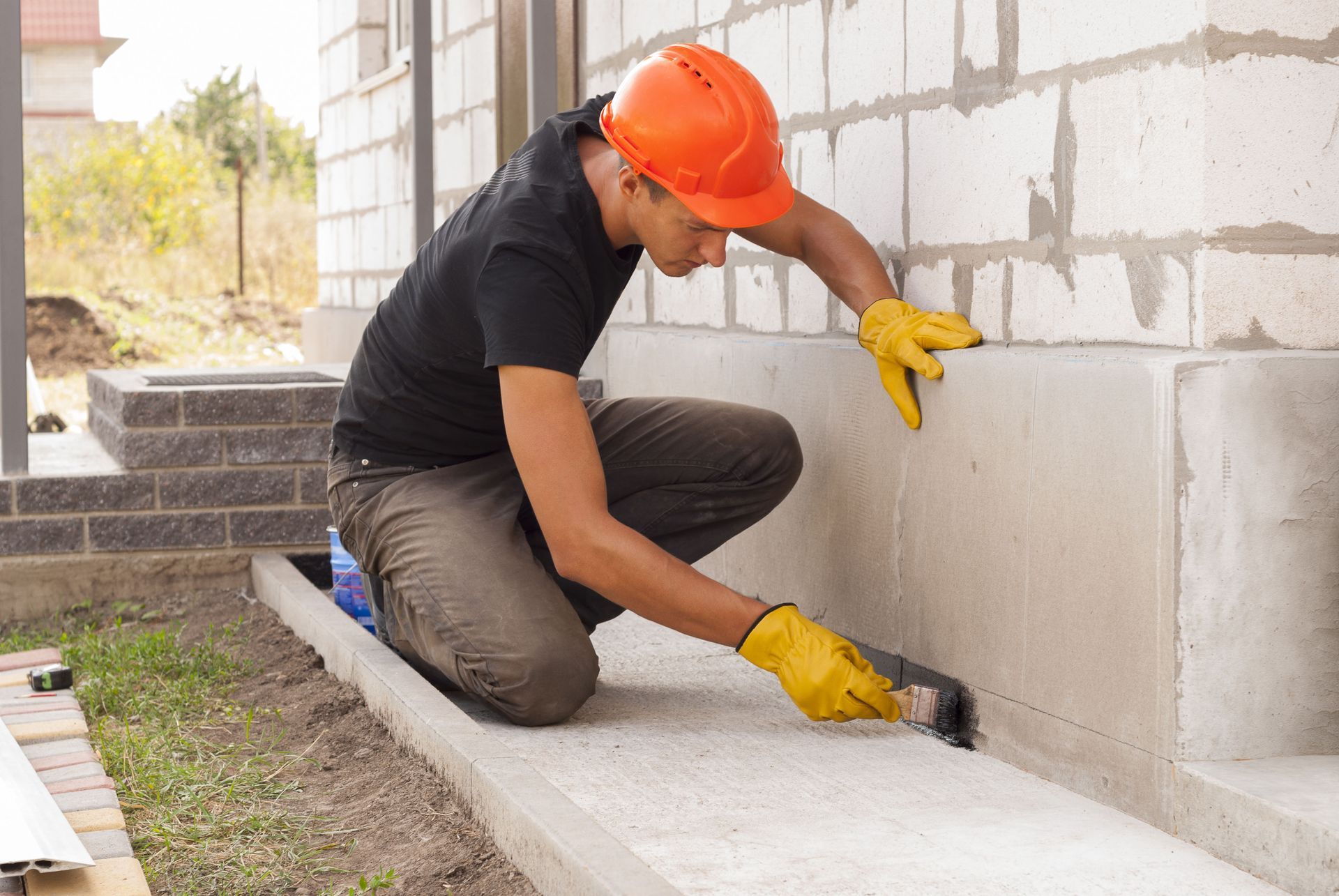
The structural foundation forms the absolute bedrock of a property's safety and long-term durability. Over time, shifting soil, changing water tables, and hydrostatic pressure can destabilize this foundation, leading to significant structural movement. One of the most visible indicators of foundational stress is the appearance of distinct cracks in interior drywall or exterior masonry. Deep stair-step cracks in brickwork or horizontal fissures point toward substantial lateral pressure, necessitating immediate home repairs to restore stability.
Foundational movement manifests throughout upper living spaces in subtle physical changes that disrupt daily functionality. Doors and windows that suddenly stick, fail to latch properly, or become noticeably misaligned are classic indicators that the framing of the house has shifted out of square due to underlying foundational movement. Furthermore, homeowners might observe sloping or uneven flooring, where a noticeable dip or tilt develops across a room, signifying that the load-bearing beams or joists beneath the floor have shifted from their original positions.
Managing Advanced Plumbing and Moisture Violations
Plumbing networks operate as the intricate circulatory system of a home, delivering clean water and safely removing waste through hundreds of feet of piping. Because a significant portion of this infrastructure is concealed within walls, ceilings, and subfloors, plumbing failures can remain undetected for extended periods, causing silent and severe structural rot. Persistent leaks, even those as minor as a slow, rhythmic drip beneath a vanity or a hidden pinhole leak in a copper line, can discharge hundreds of gallons of water over time, saturating building materials and destroying drywall.
Slow or chronically clogged drains throughout a property are often symptoms of deep systemic failures within main waste lines rather than simple isolated blockages. Frequent backups in sinks, tubs, or toilets can indicate advanced root intrusion in underground sewer pipes, collapsed lines, or severe structural sagging within the main sewer run. These plumbing constraints disrupt daily sanitary conditions and can cause toxic sewage backflows into basement drains. Similarly, an unexplained drop in water pressure across multiple fixtures often signals a hidden supply line breach, requiring immediate home repairs to avoid widespread water damage.
Visible water stains appearing on ceilings or interior walls are definitive warnings of active, uncontained moisture distribution. These unsightly circular discolorations, often accompanied by peeling paint or sagging plaster, indicate that water is actively pooling above the surface, destroying the structural integrity of the drywall. Concurrently, foul, musty odors or sewer smells emanating from drains and walls indicate standing water, bacterial accumulation, or broken vent stacks. Ignoring these clear warnings allows toxic mold colonies to thrive within wall cavities, which actively degrade indoor air quality.
Mitigating Hazardous Electrical System Failures
Electrical infrastructure provides the essential power required to operate modern conveniences, heating, lighting, and appliances, yet it presents some of the highest risks for property damage if maintained poorly. Electrical components wear out over time, and older systems are frequently overwhelmed by power demands. Flickering or dimming lights are common symptoms that should never be ignored, as they often point to loose electrical connections at the main panel, failing fixtures, or overloaded circuits that struggle to safely distribute current.
Frequent tripping of circuit breakers serves as a built-in safety mechanism designed to prevent electrical wires from overheating, but regular trips indicate a dangerous, persistent imbalance. When breakers trip continuously, it signifies that the circuit is being pushed beyond its rated amperage capacity, or that a dangerous short circuit exists within the hidden wall wiring. Forcing a breaker to reset repeatedly without fixing the root cause can damage the internal mechanism of the panel, leading to arc flashes or electrical fires. This severe risk emphasizes the necessity of upgrading outdated wiring infrastructures.
Rectifying Degraded Roofing and Gutter Infrastructures
The roof and gutter network functions as a property's primary shield against atmospheric elements, redirecting thousands of gallons of rainwater, melting snow, and ice away from the building's envelope. When this external barrier is compromised, the entire home becomes vulnerable to rapid decay. Missing, cracked, or severely curling shingles represent a critical failure in this protective layer, exposing the underlying wooden roof decking to direct rain infiltration. Without swift replacement, water penetrates the roof deck, rots supporting rafters, saturates insulation, and flows down into living spaces, necessitating extensive home repairs.
Active roof leaks often present themselves during sustained downpours or heavy winter snowmelts, showing up as visible ceiling drips or damp patches in the attic. These leaks are frequently caused by failing flashing around chimneys, dormers, and valleys where different roof lines intersect. Additionally, the accumulation of moss, lichen, or algae growth along shingles acts as a destructive sponge, trapping moisture against the roofing material and accelerating the decay of protective granules. This biological growth lifts the edges of shingles, allowing high winds to tear them away easily.
Gutters and downspouts play an equally vital role in moisture management; when they become clogged with leaves, twigs, and organic debris, their ability to drain water safely is completely halted. Clogged gutters cause rainwater to overflow backward, pooling underneath the roofline and rotting fascia boards before cascading down exterior siding. This uncontrolled runoff pools around the foundation, eroding soil and causing basement water infiltration. Furthermore, the extreme weight of stagnant water and debris causes gutters to sag, break away from mountings, and pull down the roof edge.
Optimizing Inefficient HVAC and Air Quality Systems
Heating, ventilation, and air conditioning (HVAC) systems are vital for maintaining comfortable interior temperatures and ensuring proper indoor air filtration throughout changing seasons. When an HVAC system begins to fail, it strains mechanical components and consumes excessive amounts of energy. Uneven heating or cooling across different rooms often points to a major imbalance within the ductwork, severe air leaks, or a failing compressor. These imbalances force the system to run for extended periods, driving up utility bills significantly while failing to achieve desired thermostat settings.
Frequent cycling, where a furnace or air conditioner rapidly turns on and off within a few minutes, indicates a severe operational malfunction that requires immediate attention. This phenomenon can be caused by a faulty thermostat, restricted airflow from clogged filters, or a failing blower motor, all of which cause the system to overheat or freeze up. Ignoring frequent short-cycling accelerates mechanical wear, leading to complete system failure during extreme weather conditions. Furthermore, any strange noises, such as loud banging or screeching, signal loose components or worn-out bearings.
Recognizing the warning signs of property damage and taking swift action is the cornerstone of responsible homeownership. By staying vigilant against foundation shifts, plumbing leaks, electrical faults, roofing degradation, and HVAC inefficiencies, property owners can protect their structural investments and maintain an optimal living environment. Addressing these issues early prevents minor cosmetic flaws from transforming into devastating structural crises. For more information about the services that we offer, reach out to our incredible team at KAM Plastering Inc today!